
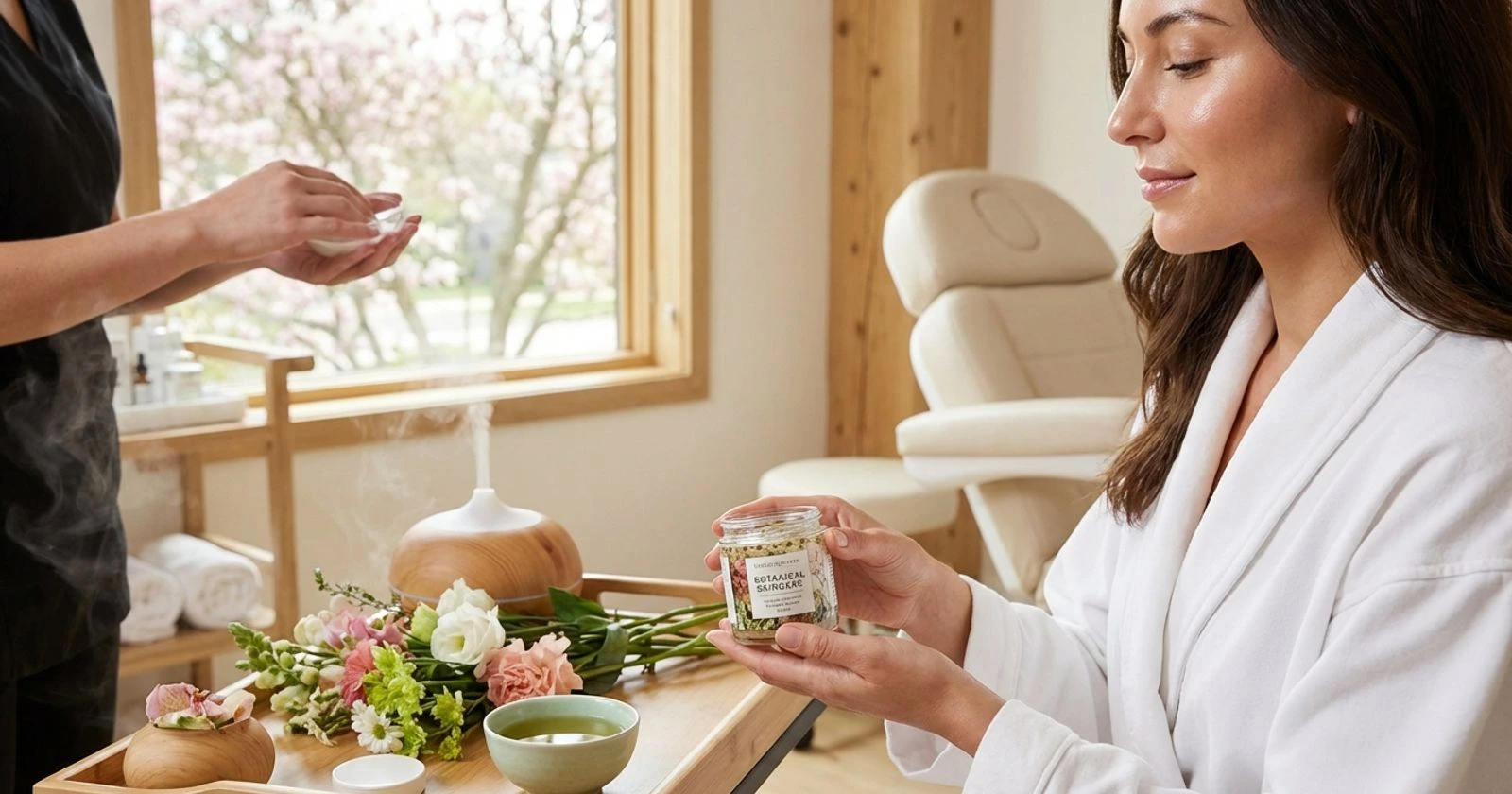
Most Thompson's Station residents swap a heavy moisturizer for a lighter one and call it a spring skincare reset. Recharging your skincare routine for spring actually requires a layered approach that accounts for Middle Tennessee's specific UV shifts, pollen-driven inflammation, and the professional treatment window that March and April uniquely offer.
Quick Summary
- Tennessee's spring UV index averages 7.2 in March-April (NOAA 2026), placing Thompson's Station in the "high" category earlier than most northern states
- TN pollen season triggers skin irritation in a growing share of residents, up 12% from 2025 per the Tennessee Allergy Report 2026
- Microneedling improves skin barrier function by 45% post-winter, making early spring the optimal professional treatment window
- A true spring reset integrates topical routine changes, professional treatments, injectable maintenance, and body prep as one unified plan
Table of Contents
- Why Winter Leaves Your Skin Unprepared for Spring
- Navigating Tennessee's Pollen Season: Calming Protocols for Reactive Spring Skin
- Professional Spring Treatments: When Topicals Alone Are Not Enough
- Body Prep for Spring: Laser Hair Removal, IPL, and Contouring Timelines
- Key Takeaways
- Frequently Asked Questions
Why Winter Leaves Your Skin Unprepared for Spring
Thompson's Station winters are mild by northern standards, but they compromise the skin barrier in ways that become visible by late February. Indoor heating systems drop relative humidity to 20-30% in most homes, well below the 40-60% range skin prefers, accelerating transepidermal water loss.
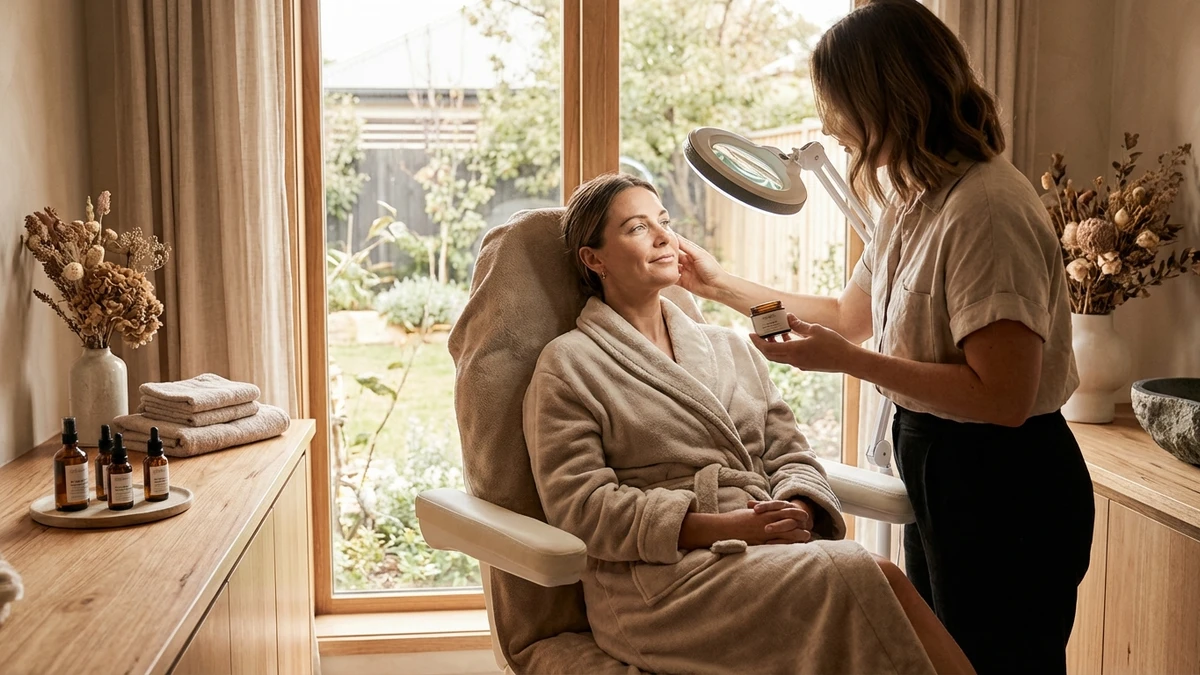
Most people compensate by reaching for heavier, more occlusive creams, which solves the immediate tightness but creates a different problem by March.
By late winter, many Middle Tennessee residents present with the same cluster of concerns: dull, uneven tone that does not respond to hydration, fine dehydration lines around the eyes and mouth, and congestion along the nose and chin from months of thick emollients trapping dead cells. The skin looks tired because it is, functionally, exhausted.
NOAA 2026 climate data for the Middle Tennessee region shows a meaningful shift between February and April. 2 by April, and relative outdoor humidity rises from approximately 55% to 70%. That combination, higher UV exposure and increased ambient moisture, changes what your skin needs almost entirely.
A product regimen built for February will actively work against you by April. is a useful starting point before making any product changes.
Approaching this shift proactively, rather than waiting until your skin breaks out or reacts, is the difference between a seasonal reset and reactive troubleshooting.
Navigating Tennessee’s Pollen Season: Calming Protocols for Reactive Spring Skin
Tennessee ranks among the highest-pollen states in the country. Oak, cedar, and grass pollens begin spiking in early March and remain elevated through May, and according to the Tennessee Allergy Report 2026, the number of residents reporting pollen-related skin irritation has increased 12% compared to 2025.
Airborne allergens do not just affect the sinuses. They settle on the skin, disrupt the acid mantle, and trigger low-grade inflammation that makes the barrier more permeable and reactive.
Exfoliation is where most generic spring skincare advice fails. Blanket recommendations to exfoliate "once or twice a week" ignore the fact that humid spring conditions and compromised barriers require a skin-type-differentiated approach.
| Skin Type | Acid Type | Frequency | Notes |
|---|---|---|---|
| Sensitive | Polyhydroxy acids (PHAs) | Once per week | Avoid AHAs during active reactivity |
| Oily / Acne-prone | Salicylic acid (BHA, 1-2%) | 2-3x per week | BHA penetrates pores; reduces congestion |
| Combination | Lactic acid (AHA, 5-10%) | 1-2x per week | Focus on T-zone; avoid eye area |
| Dry / Dehydrated | Mandelic acid (AHA, low %) | Once per week | Gentlest AHA; pairs well with ceramides |
For pollen-reactive skin specifically, the priority is barrier repair before exfoliation. A calming protocol built around ceramides (to restore lipid structure), niacinamide (to reduce redness and regulate sebum), azelaic acid (to address inflammation and post-inflammatory hyperpigmentation), and centella asiatica (to accelerate barrier recovery) addresses the root cause rather than managing symptoms.
The table below shows the transition from a heavy winter routine to a spring-optimized one.
| Category | Heavy Winter Routine | Spring-Optimized Routine |
|---|---|---|
| Cleanser | Cream or oil cleanser | Gentle gel or low-pH foam |
| Moisturizer | Thick occlusive balm | Lightweight gel-cream with ceramides |
| SPF | SPF 30 (often skipped indoors) | SPF 50+ daily, rain or shine |
| Exfoliation | Minimal or none | Skin-type-specific acid, 1-3x weekly |
| Treatment serums | Hyaluronic acid, facial oil | Niacinamide, azelaic acid, Vitamin C |
Professional Spring Treatments: When Topicals Alone Are Not Enough
Refreshing your at-home routine addresses the surface, but it does not resolve the structural changes that accumulate over winter. Early spring, specifically March through mid-April, is the most strategically sound window for professional treatments. UV exposure is rising but not yet at summer peaks, and the skin is primed for renewal after months of low-stimulation, barrier-focused winter care.
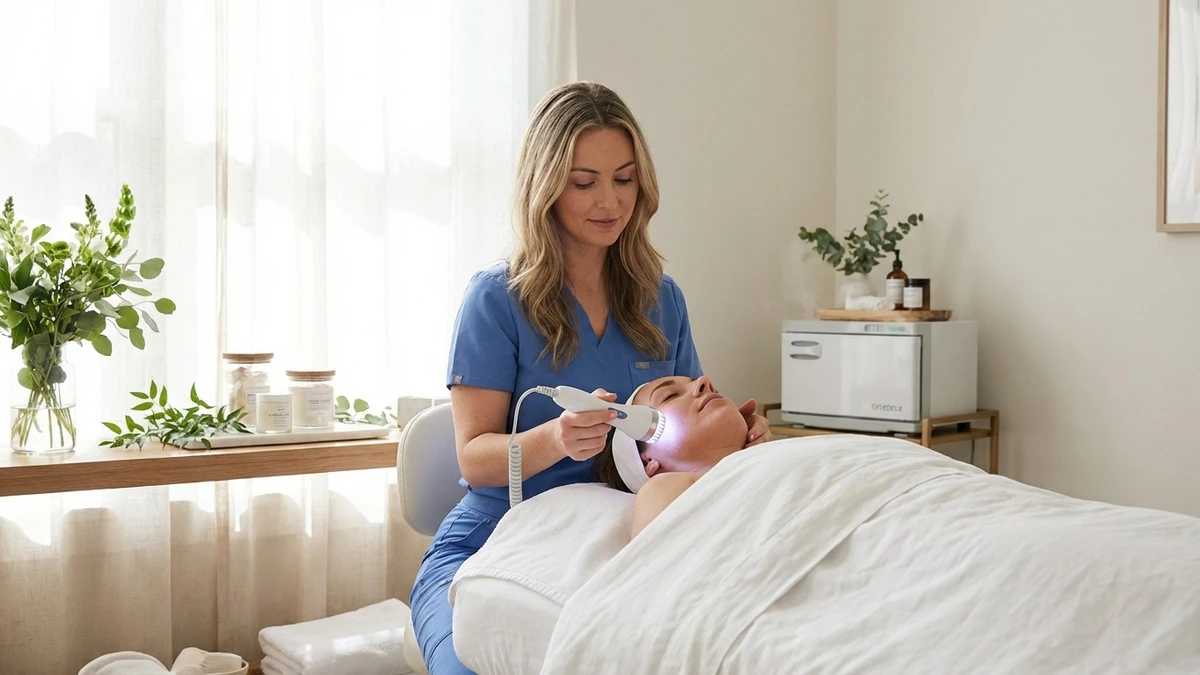
A 2026 Aesthetic Surgery Journal study found that microneedling improves skin barrier function by 45% in patients assessed post-winter. For Thompson's Station clients, that translates to measurably better hydration retention, reduced sensitivity to environmental triggers, and a more even surface texture within four to six weeks of a single session.
Scheduling microneedling in March gives the skin time to complete its full collagen remodeling cycle before summer heat and humidity arrive. covers it thoroughly.
Chemical peels follow the same logic. Superficial to medium-depth peels, such as glycolic, lactic, or modified Jessner formulations, accelerate the removal of the dull, congested skin that winter leaves behind. The lower spring UV index reduces post-peel hyperpigmentation risk compared to summer treatments, making this the window most board-certified providers recommend for peel series.
SKN Shack, a boutique med spa offering a wide range of skin and body treatments in Thompson's Station, TN, builds personalized spring treatment plans that sequence these interventions correctly rather than treating them as standalone appointments.
One angle that most spring skincare content overlooks entirely is the role of Botox and filler maintenance in a seasonal reset. Injectables placed in spring complement topical routine changes by addressing volume loss and dynamic lines that heavy winter creams can temporarily mask but not correct.
Moderate spring temperatures also reduce the likelihood of post-treatment swelling compared to summer heat, making March through May an ideal window for first-time injectable consultations and maintenance appointments alike.
Body Prep for Spring: Laser Hair Removal, IPL, and Contouring Timelines
Facial treatments get most of the attention in spring skincare conversations, but the body tells a parallel story. Post-winter skin laxity, textural changes from months of dryness, and the practical reality of shorts and swimsuit season arriving in Middle Tennessee by late May make body prep a legitimate part of any complete spring renewal plan.
Laser hair removal and IPL treatments require a series of sessions spaced four to six weeks apart to produce lasting results. Starting in March means completing three to four sessions before June, which is enough to achieve significant and visible reduction for most hair types.
The lower UV exposure in spring also reduces the risk of post-treatment hyperpigmentation, which is elevated when treated skin is exposed to direct sun too soon after a session.
Here is a realistic timeline for body treatments starting in March 2026:
- Session 1 (March): Baseline treatment; some immediate reduction in hair density
- Session 2 (April): Targets the next growth cycle; noticeable thinning
- Session 3 (May): Significant reduction; skin texture improvements from IPL also visible
- Session 4 (June, if needed): Final session before peak summer; results fully visible
Body contouring treatments, including non-invasive fat reduction and skin tightening modalities, follow a similar logic. Post-winter changes in body composition and skin laxity respond well to early-spring contouring sessions, with optimal results appearing eight to twelve weeks after treatment, which aligns precisely with late May and June..
Recharging your skincare routine for spring means treating facial and body prep as a unified seasonal strategy, not two separate concerns.
A single consultation that maps out both a facial treatment sequence and a body prep timeline saves time and ensures treatments do not compete with each other for recovery windows.
Booking that consultation in early March, rather than waiting until April when schedules fill, gives you the most flexibility to sequence everything correctly before summer arrives.
Key Takeaways
- Tennessee's spring UV index averages 7.2 in March-April (NOAA 2026), placing Thompson's Station in the "high" UV category from early spring. SPF 50+ is a daily non-negotiable starting now, not in June.
- TN pollen season is intensifying. The Tennessee Allergy Report 2026 shows a 12% increase in pollen-related skin irritation compared to 2025, making targeted calming protocols with ceramides, niacinamide, and azelaic acid a clinical priority, not a nice-to-have.
- Microneedling improves skin barrier function by 45% post-winter (Aesthetic Surgery Journal, 2026), and early spring is the optimal window to schedule this treatment before summer UV peaks.
- A spring skincare reset is a system, not a product swap. Topical routine changes, professional treatments, injectable maintenance, and body prep work best when planned together as one seasonal strategy.
Frequently Asked Questions
When should I switch from my winter moisturizer to a lighter spring formula in Tennessee?
The transition typically makes sense in mid-to-late March when overnight temperatures consistently stay above 50°F and indoor heating use drops. Skin type matters more than the calendar date, though. Oily and combination skin types may need to transition earlier, while dry or compromised skin types should extend richer formulas until barrier function is fully restored.
Can I get a chemical peel during spring allergy season in Tennessee?
Yes, but timing and skin assessment matter. A board-certified provider will evaluate your skin's current reactivity level before proceeding. Superficial peels are generally well-tolerated even during moderate allergy seasons, but deeper peels may be postponed if active inflammation or barrier compromise is present.
How does Thompson’s Station’s spring UV index compare to national averages?
At an average of 7.2 in March-April per NOAA 2026 data, Thompson's Station sits in the "high" UV category earlier in the year than most northern and midwestern states. This makes daily SPF 50+ application essential from early March, not just on sunny days.
Is spring a good time to start Botox or fillers for the first time?
Spring is an excellent window for a first injectable consultation. Moderate temperatures reduce post-treatment swelling concerns, and results are typically visible within two weeks, well ahead of summer events and outdoor activities. The transition period also allows any minor bruising to resolve before peak social season.
How do I know if my skin barrier is compromised coming out of winter?
Common signs include stinging when applying serums that previously caused no reaction, persistent tightness after cleansing, increased redness or flushing, and a dull or uneven texture that does not respond to standard hydration. If you notice two or more of these at once, pause actives and prioritize barrier repair before reintroducing any exfoliants or vitamin C.